Thoughts on identity management, cloud security, and building robust enterprise architectures.
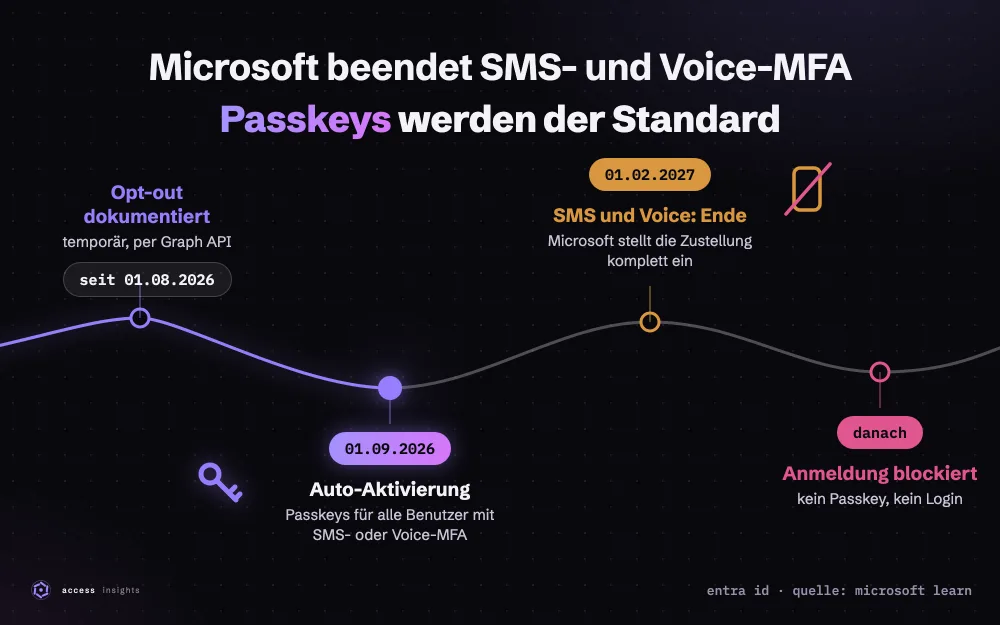
Ab dem 1. September 2026 aktiviert Microsoft Passkeys automatisch für alle SMS- und Voice-Nutzer in Entra ID, ohne Zutun der Administratoren. Warum das kein rein technisches Thema ist, wo der Betriebsrat sachlich recht hat, wie Sie Betroffene per KQL finden und was die Opt-out-API leistet.
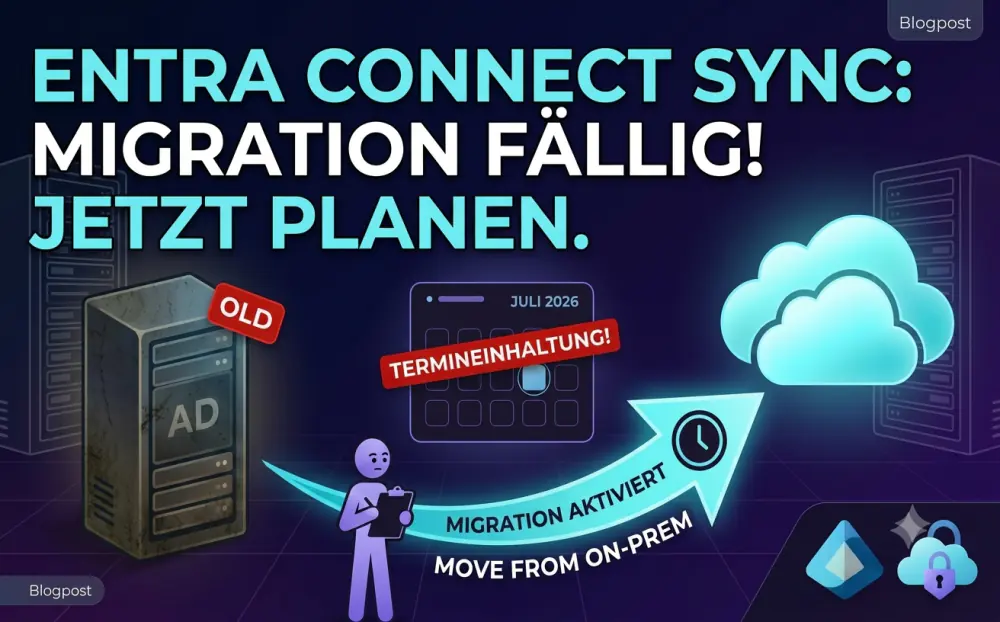
Starting July 2026, Microsoft assigns transition windows for the move from Entra Connect Sync to Cloud Sync. Not an invitation, an appointment. Why the direction is right, where hybrid environments will feel real pain, and what to do before your mail arrives.
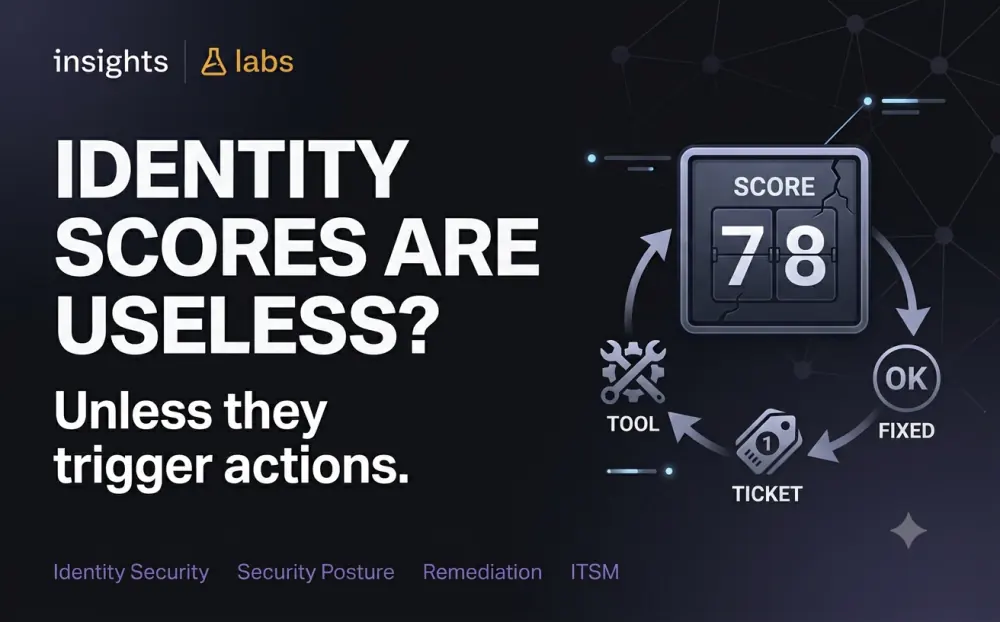
A number on a dashboard does not make you safer. What moves the needle is turning each finding into an owned, tracked fix inside the tools your team already uses. Here is how to make an identity score mean something.
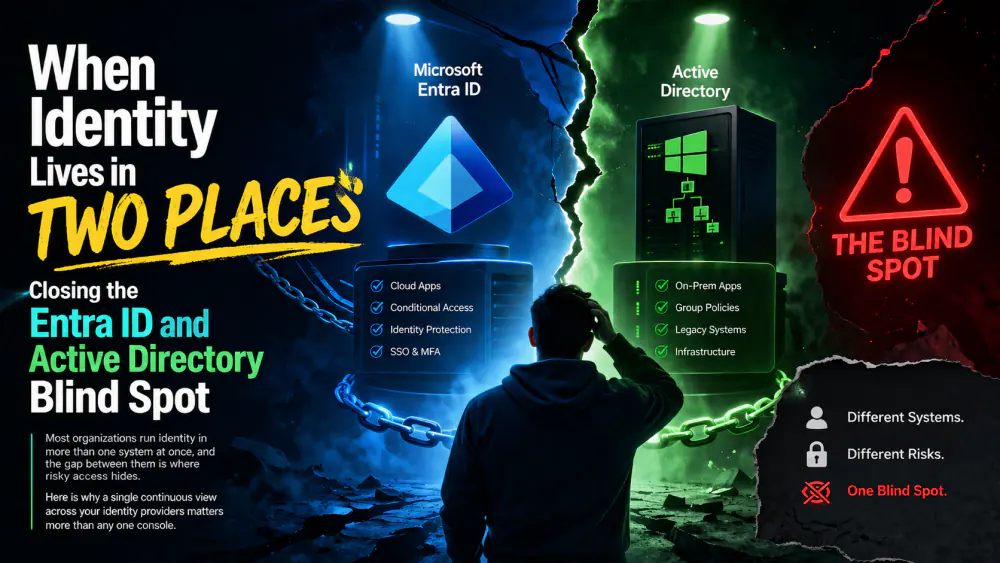
Most organizations run identity in more than one system at once, and the gap between them is where risky access hides. Here is why a single continuous view across your identity providers matters more than any one console.
The accounts nobody is watching are the ones attackers love most. Dormant admins, leftover access after a role change, service accounts no one owns. Here is how that surface grows and how to keep it visible.
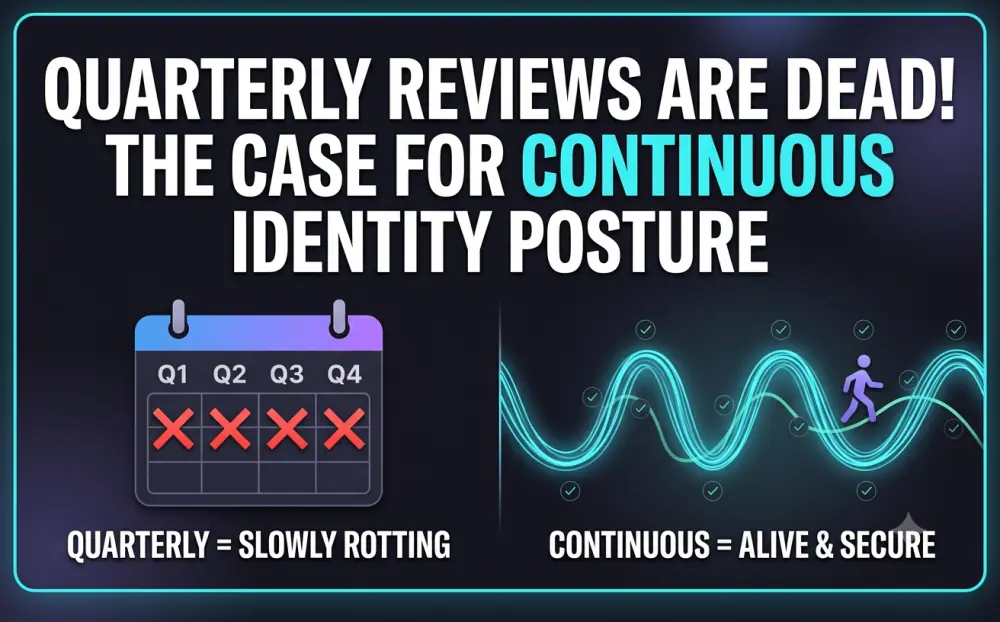
Quarterly access reviews give you a clean snapshot on one day and a slowly rotting picture for the next ninety. Here is why identity posture needs to be watched continuously, not certified once a quarter.
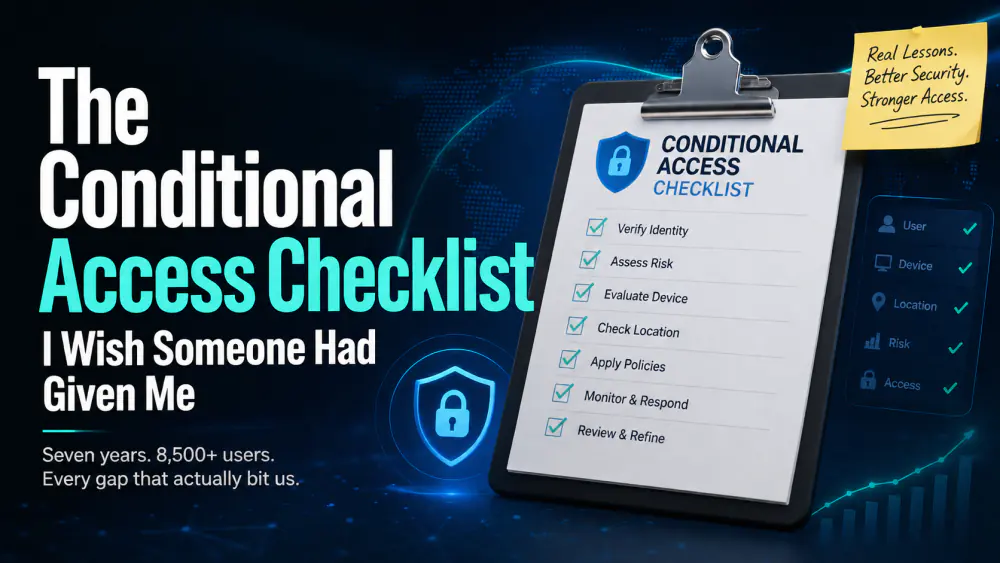
After seven years managing identity infrastructure for 8,500+ users, I documented every gap that actually bit us. Here's the checklist I wish I'd had from day one.
As 2025 gives way to 2026, the need to cut through the hype and concentrate on what truly matters becomes clear. Clarity and focus will be my guiding principles – a compass to navigate the tech landscape without getting lost in it.
2025 proved that identity is no longer a security feature, it's the new strategic layer of modern enterprise architecture. In this year-end reflection, I share what I learned as an architect.
In 2025 the digital workplace is no longer a collection of tools: it's a converged platform where identity, automation and AI shape how organizations actually work.
The security perimeter has shifted. It's no longer your network, it's your identity. Exploring Microsoft's vision for identity-first security.
Understanding NIS2 compliance requirements and what they mean for organizations operating in the European Union.
Cloud-basierte Automatisierung, standardisierte Lösungen und KI-gesteuerte Identitäten verändern grundlegend, wie wir über Governance denken.
Managed Identity Services mit Entra bieten auch für kleine und mittlere Unternehmen erhebliche Vorteile: mehr Sicherheit, weniger Aufwand, planbare Kosten.
Zero Trust war erst der Anfang: 2025 bringt neue Herausforderungen für die IT-Security – von Passwordless Authentication über KI-gestützte Angriffe bis hin zur Sovereign Cloud.
Verified ID bringt das Thema digitale Identität auf ein neues Level: sicher, dezentral und benutzerfreundlich.
Eine klare Governance-Strategie ist der Schlüssel für sichere und effiziente Microsoft-Umgebungen.
Ein Überblick über Entra ID P1 vs. P2 und Defender for Endpoint Plan 1 vs. Plan 2 – und welche Lizenz wirklich zu deinen Anforderungen passt.